
Replace Multiple Missing Teeth With a Fixed Implant Solution
If you are missing several teeth next to one another, you may not need an individual dental implant for every missing tooth.
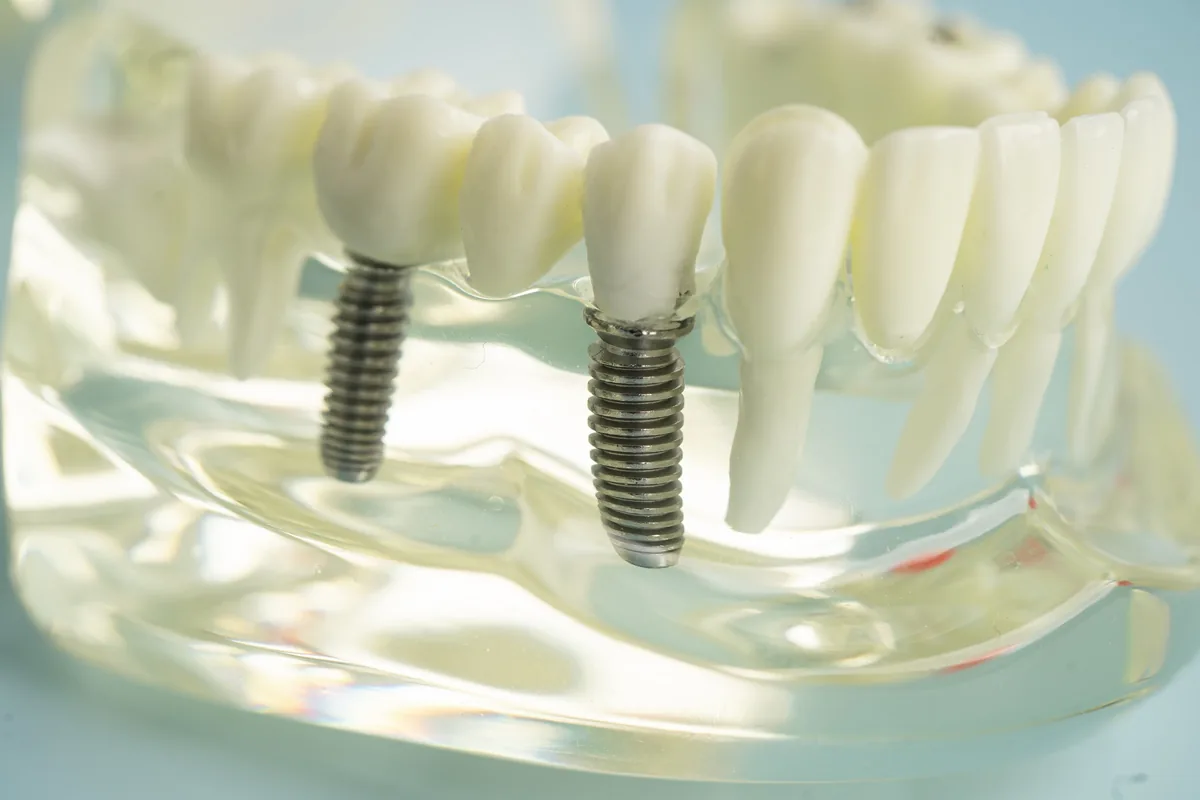
An implant-supported bridge uses strategically positioned dental implants to support multiple replacement teeth. The result is a fixed restoration that fills the space left by missing teeth without relying on neighboring natural teeth for support.
At Beverly Hills Cosmetic & Implant Center, Dr. Tamir Shams provides implant-supported bridges for patients who need to replace multiple adjacent teeth. With 19 years of dental implant experience and more than 2,000 implants placed, Dr. Shams plans, places, and restores dental implants within one practice.
Using 3D imaging and personalized treatment planning, Dr. Shams determines the appropriate number and position of implants according to your anatomy, available bone, missing teeth, bite, and restorative needs.
- What Is an Implant-Supported Bridge?
- How Does an Implant-Supported Bridge Work?
- Benefits of Implant-Supported Bridges
- Who Is a Candidate for an Implant-Supported Bridge?
- Implant-Supported Bridge vs. Traditional Dental Bridge
- What to Expect During Treatment
- Comfort & Recovery
- Caring for an Implant-Supported Bridge
- How Much Does an Implant-Supported Bridge Cost in Beverly Hills?
A 3D scan, a clear answer on which option fits you, and a written plan with timeline and cost. No obligation.
What Is an Implant-Supported Bridge?
An implant-supported bridge is a fixed dental restoration used to replace multiple missing teeth.
Instead of placing an implant underneath every missing tooth, dental implants are strategically positioned to support a bridge containing multiple replacement teeth.
The implants function as artificial tooth roots and provide a stable foundation for the restoration.
For example, when several adjacent teeth are missing, implants may be placed at selected positions within the space and connected to a custom bridge that restores the missing teeth between them.
The exact number of implants required depends on:
- Number of teeth being replaced
- Location of the missing teeth
- Available jawbone
- Bite forces
- Implant position
- Length and design of the bridge
- Overall oral health
Dr. Shams determines the appropriate configuration after evaluating your individual case.
How Does an Implant-Supported Bridge Work?
Treatment begins by placing dental implants into carefully planned positions within the jawbone.
During healing, the surrounding bone integrates with the implant surfaces through a biological process called osseointegration. Once adequate healing and stability have been achieved, the implants can support the planned dental bridge.
The final bridge is customized to restore the missing teeth while considering tooth shape, size, shade, bite, and overall smile appearance.
Because the bridge receives its primary support from dental implants, neighboring natural teeth generally do not need to be prepared to serve as bridge abutments.
Benefits of Implant-Supported Bridges
For appropriate candidates, an implant-supported bridge can provide several advantages for replacing multiple missing teeth.
Replaces Multiple Teeth With Fewer Implants
Not every missing tooth necessarily requires its own dental implant. Strategically positioned implants can support several connected replacement teeth.
Fixed Tooth Replacement
An implant-supported bridge remains secured to the dental implants and is not routinely removed by the patient.
Preserves Neighboring Tooth Structure
A traditional tooth-supported bridge generally requires adjacent teeth to be reshaped so they can support crowns.
Because an implant-supported bridge is supported by dental implants, healthy neighboring teeth often do not need to be altered for this purpose.
Restores Chewing Function
Missing several teeth can make it difficult to comfortably chew certain foods. A stable implant-supported restoration can help restore function in the area being treated.
Supports the Jawbone
Dental implants transfer functional forces to the surrounding jawbone and can help maintain bone around the implant sites.
Natural-Looking Restoration
The bridge is designed to complement the surrounding teeth and smile, with attention to tooth shape, size, proportion, and shade.
Who Is a Candidate for an Implant-Supported Bridge?
An implant-supported bridge may be appropriate if you:
- Are missing two or more adjacent teeth
- Want a fixed alternative to a removable partial denture
- Have adequate bone in appropriate areas for implant placement
- Have healthy gums or manageable periodontal conditions
- Are medically able to undergo implant surgery
- Want to avoid using neighboring healthy teeth to support a traditional bridge
You do not necessarily need ideal bone volume at the beginning of treatment.
Patients with bone loss may still qualify for dental implants, although bone grafting or another preparatory procedure may be recommended depending on the location and extent of the bone deficiency.
A clinical examination and 3D imaging allow Dr. Shams to determine whether an implant-supported bridge is appropriate.
If a larger number of teeth are missing, a full-arch dental implant solution may provide a more appropriate approach.
Implant-Supported Bridge vs. Traditional Dental Bridge
Both treatments can replace multiple missing teeth, but they receive support differently.
A traditional dental bridge typically uses natural teeth on either side of the missing space for support. These teeth are prepared and covered with crowns that anchor the replacement tooth or teeth between them.
An implant-supported bridge receives support from dental implants placed in the jawbone. This can allow neighboring natural teeth to remain unaltered when they do not otherwise require treatment.
The appropriate option depends on the condition of your neighboring teeth, available bone, number of missing teeth, oral health, treatment goals, and budget.
Dr. Shams can explain the advantages and considerations of each approach after examining your teeth.
What to Expect During Treatment
Consultation & 3D Evaluation
Dr. Shams evaluates your missing teeth, remaining teeth, gums, bite, and jawbone. CBCT imaging provides three-dimensional information that can be used to evaluate available bone and plan implant position.
Personalized Treatment Planning
Your treatment plan identifies how many teeth need to be replaced, the number and position of implants, and the type of bridge recommended.
If bone grafting, extraction, or another procedure is necessary, it will be incorporated into the treatment sequence.
Dental Implant Placement
The dental implants are surgically positioned within the jawbone. Treatment is performed using local anesthesia, and sedation options may be available when appropriate.
Healing
The implants require time to integrate with the surrounding bone. Healing time varies according to the individual patient, implant location, bone condition, and whether additional procedures were performed.
A temporary tooth-replacement option may be provided when appropriate.
Final Implant Bridge
After the implants have adequately healed, your custom bridge is fabricated and secured to the implants.
Dr. Shams evaluates the restoration for fit, bite, function, and aesthetics before completing treatment.
Comfort & Recovery
Dental implant placement is performed with appropriate anesthesia to maintain comfort during the procedure.
After surgery, some soreness, swelling, bruising, or tenderness may occur. Recovery varies according to the number of implants placed, whether bone grafting or extractions are performed, and individual healing.
You will receive postoperative instructions covering oral hygiene, diet, activity, and management of discomfort.
Caring for an Implant-Supported Bridge
Although the replacement teeth cannot develop cavities in the same way natural teeth do, the gums and bone surrounding the implants remain important to the long-term health of your restoration.
Good home care may include:
- Brushing regularly
- Cleaning underneath the bridge
- Using floss threaders or interdental cleaning aids as recommended
- Using a water flosser when appropriate
- Maintaining regular dental examinations and professional cleanings
Our team will demonstrate how to clean around your specific implant restoration.
How Much Does an Implant-Supported Bridge Cost in Beverly Hills?
The cost of an implant-supported bridge varies because treatment is customized to the number of missing teeth and the patient’s anatomy.
Factors that can affect cost include:
- Number of missing teeth
- Number of implants required
- Location of the restoration
- Available bone
- Need for bone grafting or extractions
- Bridge design and materials
- Overall complexity of treatment
An implant-supported bridge may be more cost-efficient than replacing every missing tooth with a separate implant and crown in appropriate cases.
At your consultation, you will receive a written treatment plan outlining the recommended procedure, timeline, and cost.
Financing options are available for qualified patients.
Frequently Asked Questions About Implant-Supported Bridges
An implant-supported bridge is a fixed restoration that uses dental implants to support multiple replacement teeth. Instead of placing an implant for every missing tooth, strategically positioned implants can support a bridge that spans several missing teeth.
The number varies. It depends on how many teeth are missing, their location, available bone, bite forces, and the design of the planned bridge. Dr. Shams determines the appropriate number after a clinical and 3D evaluation.
Not necessarily. When several adjacent teeth are missing, an implant-supported bridge may allow multiple teeth to be replaced using fewer implants than placing an individual implant for every tooth.
A traditional bridge generally relies on neighboring natural teeth for support and requires those teeth to be prepared for crowns. An implant-supported bridge is supported by dental implants, which may allow healthy neighboring teeth to remain unaltered.
No. An implant-supported bridge is a fixed restoration and is not routinely removed by the patient. Your dental provider can remove certain restorations professionally if maintenance or treatment requires it.
Treatment time varies. After implant placement, the implants typically require a healing period before the final bridge is attached. Bone grafting, extractions, implant location, and individual healing can affect the overall timeline.
Possibly. Some patients with bone loss remain candidates for implant treatment, while others may need bone grafting before or during implant placement. CBCT imaging helps evaluate available bone and determine the appropriate treatment approach.
Dental implants and implant-supported bridges are designed as long-term restorations, but longevity varies. Oral hygiene, gum and bone health, bite forces, smoking, medical conditions, maintenance, and restoration design can all affect long-term outcomes. The bridge may eventually require repair or replacement even when the supporting implants remain healthy.
Replace Multiple Missing Teeth With a Fixed Solution
If you are missing several teeth in a row, you may not need an individual implant for every missing tooth.