Straighten Your Smile With Clear, Removable Aligners
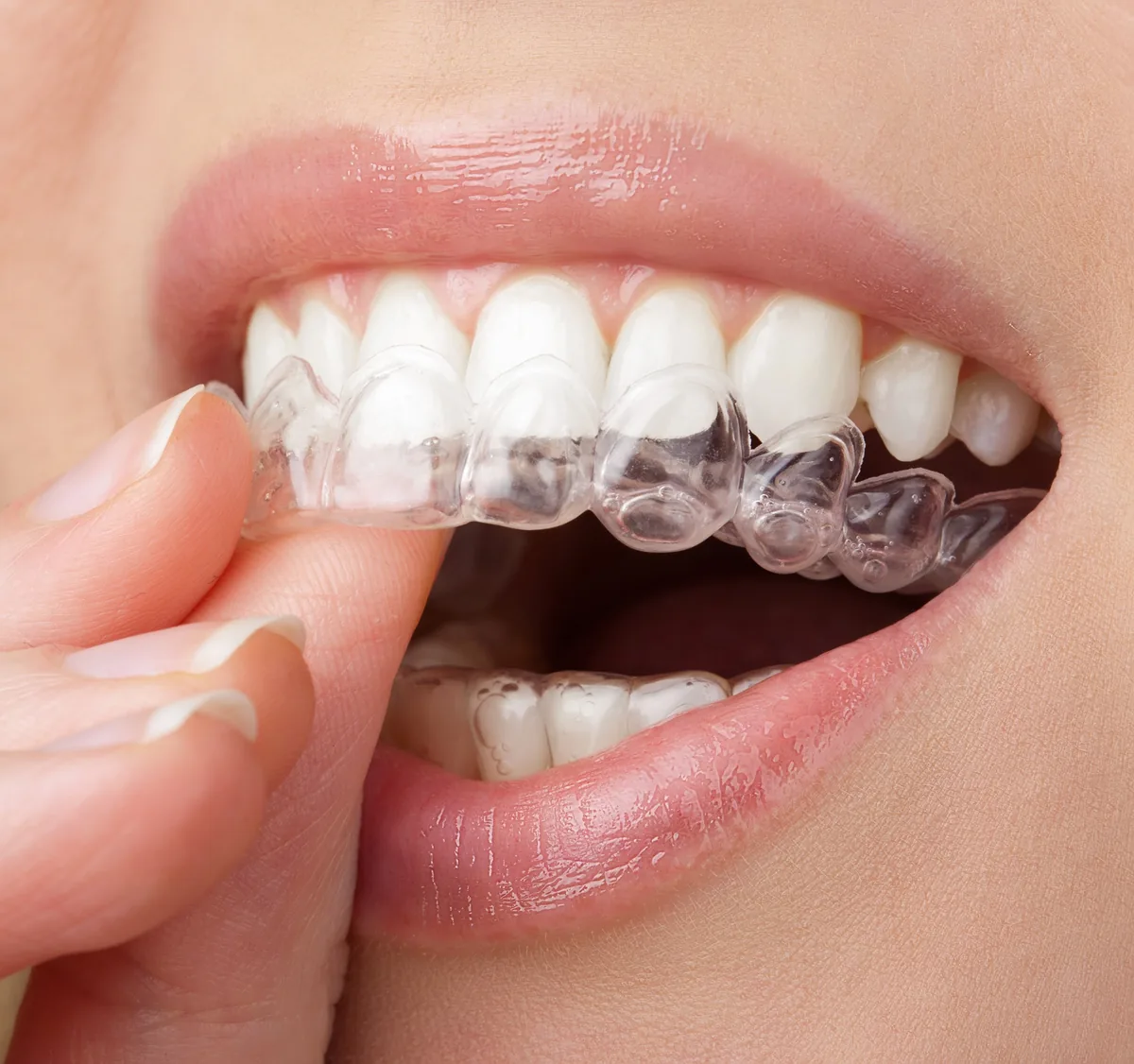
If you want straighter teeth without traditional metal braces, Invisalign uses a series of custom clear aligners to gradually move teeth into planned positions.
The aligners are removable, discreet, and designed specifically for your smile, making Invisalign an appealing orthodontic option for many adults and teens who want to improve tooth alignment while maintaining their everyday appearance and routine.
At Beverly Hills Cosmetic & Implant Center, Dr. Tamir Shams evaluates your teeth, bite, gums, and cosmetic goals to determine whether Invisalign is appropriate for your individual needs.
Because creating an attractive smile involves more than making teeth appear straight, treatment planning also considers how tooth position relates to your bite, proportions, existing dental work, and overall oral health.
- What Is Invisalign?
- What Can Invisalign Treat?
- How Does Invisalign Work?
- Benefits of Invisalign Clear Aligners
- Invisalign vs. Traditional Braces
- Invisalign vs. Porcelain Veneers
- Who Is a Good Candidate for Invisalign?
- Can Adults Get Invisalign?
- Invisalign With Crowns, Veneers, or Dental Implants
- What to Expect During Invisalign Treatment
- How Many Hours a Day Should Invisalign Be Worn?
- How Long Does Invisalign Take?
- Does Invisalign Hurt?
- Eating and Drinking With Invisalign
- Keeping Your Teeth and Aligners Clean
- What Happens After Invisalign?
A 3D scan, a clear answer on which option fits you, and a written plan with timeline and cost. No obligation.
What Is Invisalign?
Invisalign is an orthodontic treatment that uses a planned series of clear, removable aligners to gradually reposition teeth.
Rather than using brackets and wires like traditional braces, Invisalign aligners fit over the teeth and apply controlled forces to produce prescribed tooth movements over time.
As treatment progresses, patients move through a sequence of aligners according to their treatment plan.
Each stage is designed to continue moving selected teeth toward their planned positions.
What Can Invisalign Treat?
Invisalign can be used to treat a variety of orthodontic concerns.
Depending on the individual case, clear aligner treatment may help address:
- Crowded teeth
- Gaps between teeth
- Crooked teeth
- Rotated teeth
- Certain overbites
- Certain underbites
- Certain crossbites
- Certain open bites
- Relapse after previous orthodontic treatment
- General smile alignment concerns
The severity and type of tooth movement required influence whether Invisalign is appropriate.
Some orthodontic problems are more complex and may be better treated with another orthodontic approach or in coordination with a specialist.
A clinical evaluation is necessary before determining whether clear aligners are the right option.
How Does Invisalign Work?
Invisalign treatment begins with a detailed assessment of your current tooth positions and bite.
A customized treatment plan is then developed to map the intended movement of your teeth.
Rather than attempting to move every tooth to its final position at once, the process is divided into a sequence of smaller movements.
Each set of aligners represents a stage of treatment.
As you progress through the series, controlled forces gradually guide the teeth toward their planned alignment.
Treatment progress is monitored periodically so adjustments can be made when necessary.
Benefits of Invisalign Clear Aligners
For appropriate candidates, Invisalign offers several advantages over conventional orthodontic appliances.
Discreet Appearance
Invisalign aligners are made from clear material and fit closely over the teeth, making them less noticeable than traditional metal braces.
Removable Aligners
The aligners can be removed for eating, drinking certain beverages, brushing, and flossing.
No Food Restrictions From Brackets and Wires
Because the aligners are removed while eating, patients generally do not have the same food restrictions associated with fixed orthodontic brackets and wires.
Easier Oral Hygiene
Being able to remove the aligners allows patients to brush and floss their teeth directly.
Maintaining excellent oral hygiene remains essential throughout treatment.
Customized Treatment
The aligner sequence is planned around the patient’s individual tooth positions and orthodontic goals.
Fits Into an Overall Cosmetic Treatment Plan
For patients considering whitening, veneers, bonding, crowns, or other cosmetic dentistry, tooth alignment can sometimes be addressed before final restorative treatment.
Invisalign vs. Traditional Braces
Both Invisalign and traditional braces are designed to move teeth, but they accomplish that goal differently.
Invisalign
Invisalign uses removable clear aligners.
Potential advantages include:
- More discreet appearance
- Removable appliances
- Easier access for brushing and flossing
- Fewer food restrictions related to orthodontic hardware
Traditional Braces
Traditional braces use brackets attached to the teeth and orthodontic wires to produce tooth movement.
Because braces remain fixed to the teeth, they do not depend on the patient remembering to wear removable aligners.
They may also be preferred for certain complex orthodontic movements or bite problems.
Neither treatment is universally better.
The appropriate option depends on the type and complexity of the orthodontic problem, treatment goals, and patient compliance.
Invisalign vs. Porcelain Veneers
Patients who want a straighter-looking smile sometimes wonder whether they should choose Invisalign or porcelain veneers.
These treatments are fundamentally different.
Invisalign Moves Teeth
Invisalign gradually changes the actual position of natural teeth.
It can improve alignment and certain bite relationships without covering the teeth with restorations.
Porcelain Veneers Change Tooth Appearance
Veneers are thin ceramic restorations bonded to the visible surfaces of selected teeth.
They can change:
- Shape
- Size
- Color
- Proportions
- Minor spacing
- The appearance of certain mild alignment concerns
However, veneers do not orthodontically move teeth or correct underlying bite relationships.
When healthy teeth are significantly misaligned but otherwise aesthetically acceptable, orthodontic treatment may provide a more conservative way to improve their position.
In other cases, a combination of orthodontic and cosmetic dentistry may provide the desired result.
Who Is a Good Candidate for Invisalign?
Invisalign may be appropriate for adults and teens with certain orthodontic concerns who are willing to consistently wear and care for their aligners.
Candidate considerations include:
- Type of tooth movement required
- Severity of crowding or spacing
- Bite relationship
- Gum health
- Condition of the teeth
- Existing dental restorations
- Previous orthodontic treatment
- Ability to wear aligners consistently
- Cosmetic and functional goals
Healthy teeth and gums are important before beginning orthodontic treatment.
Active cavities or periodontal disease may need to be treated before Invisalign begins.
Can Adults Get Invisalign?
Yes. Invisalign is commonly considered by adults who want to improve tooth alignment without wearing traditional metal braces.
There is not a specific age at which teeth become “too old” for orthodontic movement.
Instead, factors such as periodontal health, bone support, tooth condition, existing restorations, and the type of movement required are important considerations.
Adults who have crowns, veneers, implants, or other dental work may require additional treatment planning.
Invisalign With Crowns, Veneers, or Dental Implants
Previous dental work does not automatically prevent Invisalign treatment, but it can affect planning.
Dental Crowns
Teeth with crowns may sometimes be moved orthodontically, depending on the condition of the tooth and restoration.
Porcelain Veneers
Existing veneers require careful evaluation because orthodontic attachments and tooth movement need to be planned around the restorations.
Dental Implants
A dental implant is integrated with the jawbone and does not move orthodontically like a natural tooth.
For patients planning both orthodontics and dental implants, it can therefore be advantageous to determine ideal tooth positions before implant placement when possible.
This sequencing can be especially important when replacing teeth in visible areas.
What to Expect During Invisalign Treatment
Invisalign Consultation
Dr. Shams evaluates your teeth, gums, bite, alignment, and cosmetic goals.
This assessment helps determine whether clear aligner treatment is appropriate.
Treatment Planning
Detailed records of your teeth are used to develop a customized orthodontic plan.
The planned sequence determines how selected teeth should move throughout treatment.
Your Clear Aligners
A series of custom aligners is created according to your treatment plan.
You progress through the aligners as directed.
Progress Visits
Periodic appointments allow Dr. Shams to monitor tooth movement and treatment progress.
Refinement When Necessary
Some cases may require additional aligners to refine tooth positions after the initial series.
Retention
Once active orthodontic movement is complete, retainers are generally necessary to help maintain the new tooth positions.
Retention is an important part of protecting your Invisalign result.
How Many Hours a Day Should Invisalign Be Worn?
Invisalign aligners generally need to be worn for most of the day and night to produce the planned tooth movement.
They are typically removed for:
- Eating
- Drinking beverages other than plain water
- Brushing
- Flossing
- Cleaning the aligners
Your specific wear instructions should be followed closely.
Because Invisalign is removable, treatment success depends in part on consistent patient compliance.
Frequently leaving the aligners out for extended periods can interfere with planned tooth movement and may lengthen treatment.
How Long Does Invisalign Take?
There is no single Invisalign treatment timeline that applies to every patient.
Treatment length depends on factors such as:
- Severity of crowding
- Amount of spacing
- Bite correction required
- Number and complexity of tooth movements
- Patient compliance
- Biological response to orthodontic movement
- Need for additional refinement
Relatively limited alignment concerns may require less treatment than more complex orthodontic cases.
After evaluating your teeth and developing a treatment plan, Dr. Shams can provide a more individualized estimate.
Does Invisalign Hurt?
Invisalign works by applying controlled forces to the teeth, so temporary pressure or tenderness can occur as teeth begin moving or when progressing to a new aligner.
The experience varies from patient to patient.
New aligners may feel tight initially, and this sensation commonly changes as the teeth adapt.
If an aligner causes unusual or persistent discomfort, contact the office for evaluation.
Eating and Drinking With Invisalign
Aligners should generally be removed when eating.
They should also typically be removed when drinking beverages other than plain water unless your dentist provides different instructions.
Eating or drinking certain beverages while wearing aligners can:
- Damage the aligners
- Cause staining
- Trap sugars or acids against the teeth
- Affect oral hygiene
After eating, cleaning your teeth before reinserting the aligners can help reduce plaque and food accumulation.
Keeping Your Teeth and Aligners Clean
Good oral hygiene is especially important during clear aligner treatment.
Because aligners cover the teeth for much of the day, plaque, food debris, and sugars should be removed before they become trapped beneath them.
Patients should:
- Brush regularly
- Floss daily
- Clean aligners as directed
- Maintain professional dental cleanings
- Keep scheduled dental examinations
- Avoid exposing aligners to excessive heat
- Store aligners appropriately when removed
Maintaining healthy gums and teeth throughout orthodontic treatment is just as important as achieving straighter alignment.
What Happens After Invisalign?
Teeth naturally have a tendency to shift after orthodontic treatment.
For this reason, retainers are an essential part of maintaining Invisalign results.
Your retention plan will depend on your individual treatment.
Some patients may also choose to complete additional cosmetic dentistry after alignment, such as:
- Professional teeth whitening
- Composite bonding
- Porcelain veneers
- Replacement of older restorations
Aligning the teeth first can sometimes allow subsequent cosmetic treatment to be more conservative.
Frequently Asked Questions About Invisalign
Invisalign is an orthodontic treatment that uses a customized series of clear, removable aligners to gradually move teeth into planned positions.
Invisalign can effectively treat many types of orthodontic concerns, but it is not appropriate for every case. Traditional braces or specialist orthodontic treatment may be preferable for certain complex tooth movements or bite problems.
Clear aligners generally need to be worn for most of the day and night and removed primarily for eating, certain beverages, and oral hygiene. Your specific wear schedule should follow the instructions provided with your treatment.
Treatment time varies significantly depending on the amount and complexity of tooth movement required, bite correction, patient compliance, and whether additional refinement is needed.
Aligners are generally removed before eating. One advantage of removable aligners is that patients can continue eating a wide variety of foods without the restrictions associated with brackets and wires.
Possibly. Existing crowns or veneers do not automatically prevent clear aligner treatment, but they require careful evaluation and may affect treatment planning.
No. A dental implant is integrated with the jawbone and does not move orthodontically like a natural tooth. When a patient needs both Invisalign and an implant, treatment sequencing should be carefully planned.
Yes, retention is generally necessary after orthodontic treatment. Retainers help maintain the corrected tooth positions and reduce the risk of orthodontic relapse.
It depends on the problem. Invisalign actually moves teeth and can improve alignment and certain bite relationships. Veneers change the visible shape and appearance of teeth but do not orthodontically reposition them. For healthy misaligned teeth, Invisalign may provide a more conservative approach in appropriate cases.
Discover Whether Invisalign Is Right for Your Smile
Straighter teeth can improve more than the appearance of a smile. Proper tooth position can also influence bite relationships, oral hygiene, and the planning of future cosmetic or restorative dentistry.