Professional Teeth Cleaning for a Healthier Smile
Daily brushing and flossing are essential for maintaining oral health, but even consistent home care may not remove every deposit that develops around the teeth and gumline.
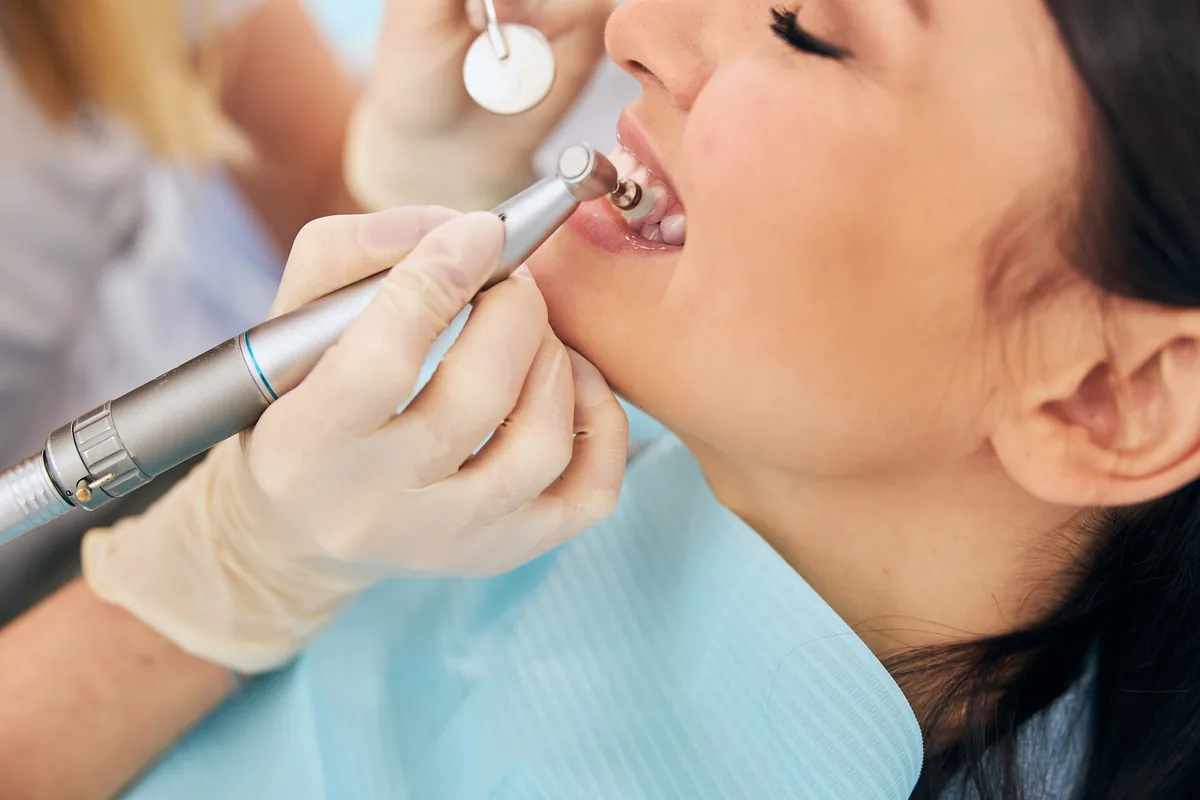
A professional dental cleaning removes plaque, hardened tartar (calculus), and surface deposits from the teeth while supporting the prevention and early detection of dental and gum problems.
At Beverly Hills Cosmetic & Implant Center, professional teeth cleanings are part of a comprehensive approach to preventive dental care. Regular visits allow your dental team to clean areas that are difficult to reach at home while monitoring your teeth, gums, existing restorations, and overall oral health.
Whether you have natural teeth, veneers, crowns, dental implants, or other restorations, consistent professional maintenance can play an important role in protecting your smile.
Schedule Your Dental Cleaning
- What Is a Professional Dental Cleaning?
- Why Are Regular Dental Cleanings Important?
- What Happens During a Dental Cleaning?
- What Is Plaque?
- What Is Tartar?
- Dental Cleaning vs. Deep Cleaning: What’s the Difference?
- How Often Should You Have Your Teeth Professionally Cleaned?
- Dental Cleanings With Crowns, Veneers & Other Restorations
- Dental Cleaning With Dental Implants
- Does a Dental Cleaning Whiten Your Teeth?
- Can Professional Cleanings Help With Bad Breath?
- Maintaining Your Smile Between Dental Cleanings
A 3D scan, a clear answer on which option fits you, and a written plan with timeline and cost. No obligation.
What Is a Professional Dental Cleaning?
A professional dental cleaning is a preventive procedure that removes plaque, tartar, and other deposits from the surfaces of the teeth and around the gumline.
Plaque is a soft biofilm containing bacteria that continually develops on the teeth.
Daily brushing and flossing help remove plaque, but when plaque remains in place, minerals in saliva can cause it to harden into tartar, also called dental calculus.
Once tartar has formed, it cannot be effectively removed with normal brushing and flossing alone. Professional dental instruments are needed to remove these hardened deposits.
Why Are Regular Dental Cleanings Important?
Professional dental cleanings are not only about making your teeth feel smoother or look cleaner.
They are an important part of maintaining healthy teeth and gums.
Regular cleanings can help:
- Remove plaque and tartar buildup
- Maintain healthy gums
- Reduce accumulation around the gumline
- Remove certain surface stains
- Support fresher breath
- Maintain existing dental restorations
- Identify changes in oral health
- Reinforce effective home-care techniques
Preventive visits also give your dental team an opportunity to identify potential concerns before they become more extensive.
What Happens During a Dental Cleaning?
A routine professional cleaning generally involves several steps.
Oral Health Evaluation
Before or during your cleaning, your teeth and gums are evaluated for signs of potential dental or periodontal concerns.
Depending on your needs, this may include assessment of:
- Teeth
- Gum tissue
- Existing fillings
- Dental crowns
- Veneers
- Dental implants
- Areas of plaque or tartar accumulation
- Changes since your previous visit
Dental X-rays may also be recommended periodically based on your individual needs and risk factors.
Plaque & Tartar Removal
Specialized dental instruments are used to remove plaque and hardened tartar from the teeth and around the gumline.
Particular attention is given to areas that may be difficult to clean effectively with a toothbrush or floss.
Polishing
The teeth may be polished to smooth the surfaces and remove certain external stains and residual deposits.
Personalized Home-Care Recommendations
Your dental team may recommend adjustments to brushing, flossing, interdental cleaning, or other home-care techniques based on areas where plaque is accumulating.
What Is Plaque?
Dental plaque is a sticky bacterial biofilm that continuously forms on the surfaces of your teeth.
If plaque is not regularly disrupted through brushing, flossing, and other appropriate cleaning methods, it can contribute to:
- Tooth decay
- Gum inflammation
- Bad breath
- Tartar formation
Because plaque continually reforms, oral hygiene is an ongoing process rather than something accomplished only during professional dental visits.
What Is Tartar?
Tartar, or dental calculus, is plaque that has hardened after being mineralized by substances in saliva.
It can form above or below the gumline.
Unlike soft plaque, tartar cannot generally be removed through normal brushing and flossing.
Its rough surface can also provide additional areas where plaque accumulates, making professional removal important.
Dental Cleaning vs. Deep Cleaning: What’s the Difference?
A routine dental cleaning and a deep cleaning, or scaling and root planing, are not the same procedure.
Routine Dental Cleaning
A routine cleaning is generally preventive and is performed for patients whose periodontal condition does not require active treatment for gum disease.
It focuses primarily on removing plaque and tartar from the teeth and around the gumline.
Deep Cleaning
Scaling and root planing is a periodontal treatment used when plaque, tartar, and bacterial deposits extend deeper below the gumline and periodontal disease requires treatment.
The procedure involves more extensive cleaning beneath the gums and treatment of affected root surfaces.
A deep cleaning should not simply be viewed as a “more thorough” version of a regular cleaning. It is recommended based on the condition of the gums, periodontal measurements, bone levels, and other clinical findings.
Your dental evaluation determines which type of care is appropriate.
How Often Should You Have Your Teeth Professionally Cleaned?
There is no single cleaning schedule that is ideal for every patient.
Many patients receive professional cleanings approximately every six months, but the appropriate interval depends on individual oral health and risk factors.
Some patients may benefit from more frequent professional maintenance because of:
- History of periodontal disease
- Higher plaque or tartar accumulation
- Dental implants
- Extensive restorative dentistry
- Difficulty maintaining certain areas
- Increased cavity risk
- Certain medical or oral-health factors
Your recommended schedule should be based on your individual needs rather than a universal timetable.
Dental Cleanings With Crowns, Veneers & Other Restorations
Professional maintenance remains important when you have cosmetic or restorative dental work.
Natural teeth and gum tissue surrounding restorations still require consistent care.
Regular professional cleaning can help maintain areas around:
- Porcelain veneers
- Zirconia or E.max crowns
- Composite fillings
- Inlays and onlays
- Dental bridges
Your dental team can also monitor these restorations for changes in their margins, surrounding gums, bite, and overall condition.
Dental Cleaning With Dental Implants
Dental implants cannot develop cavities, but the tissues surrounding them still require careful maintenance.
Plaque can accumulate around implant restorations just as it can around natural teeth.
Maintaining healthy gum and bone tissue around an implant is important for its long-term health.
Professional implant maintenance may include evaluation and cleaning around:
- Single dental implants
- Implant-supported bridges
- Implant-retained dentures
- Full-arch implant restorations
The recommended home-care techniques and professional maintenance schedule may differ depending on the type of implant restoration.
Does a Dental Cleaning Whiten Your Teeth?
A professional dental cleaning and teeth whitening are different procedures.
Cleaning removes plaque, tartar, and certain external surface stains. As a result, teeth may appear cleaner or somewhat brighter after the appointment.
However, a dental cleaning does not chemically change the natural color of tooth enamel in the way professional teeth whitening does.
If tooth color remains a concern after your cleaning, cosmetic treatment options can be discussed separately.
Can Professional Cleanings Help With Bad Breath?
Persistent bad breath can have several causes.
Plaque, tartar, food debris, and gum inflammation may contribute to oral odor, so professional cleaning and improved home care can help when these factors are involved.
However, bad breath can also be associated with:
- Periodontal disease
- Tooth decay
- Dry mouth
- Certain foods and habits
- Tobacco use
- Dental infections
- Medical conditions
If bad breath persists despite good oral hygiene, identifying the underlying cause is more important than simply trying to mask it.
Maintaining Your Smile Between Dental Cleanings
Professional cleanings work best when combined with consistent home care.
Your daily routine should generally include:
- Brushing thoroughly with fluoride toothpaste
- Cleaning between the teeth daily
- Using floss or appropriate interdental aids
- Cleaning around crowns, bridges, and implants as recommended
- Limiting frequent sugary snacks and beverages
- Avoiding tobacco products
- Following your recommended dental examination and cleaning schedule
Patients with implant-supported bridges, full-arch restorations, or other complex dental work may require additional cleaning techniques.
Frequently Asked Questions About Dental Cleanings
A professional cleaning removes plaque, hardened tartar, and certain surface deposits from the teeth. It can also remove some external staining caused by foods, beverages, and other factors.
No. A routine dental cleaning is preventive care, while a deep cleaning—scaling and root planing—is a periodontal treatment used when gum disease requires cleaning below the gumline and treatment of affected root surfaces.
Many patients receive cleanings around every six months, but the appropriate schedule varies. Patients with periodontal disease, dental implants, extensive restorations, or other risk factors may require more frequent maintenance.
Routine cleanings are generally well tolerated, but sensitivity can vary depending on gum inflammation, tartar buildup, tooth sensitivity, and individual comfort. Let your dental team know if you experience sensitivity during treatment.
Yes. Professional dental instruments are specifically used to remove hardened tartar that cannot be effectively removed with normal brushing and flossing at home.
A cleaning can remove certain external stains and deposits, which may make teeth look cleaner or brighter. It does not change the intrinsic color of enamel like professional teeth whitening.
Yes. Although dental implants cannot develop cavities, plaque and bacteria can accumulate around implant restorations and affect the surrounding gum and bone tissues. Consistent home care and professional maintenance remain important.
Yes. Excellent home care significantly reduces plaque accumulation, but professional cleaning can remove hardened tartar and address areas that are difficult to clean effectively at home. Regular visits also allow your dental team to monitor changes in your oral health.
Keep Your Smile Healthy With Preventive Dental Care
Routine professional cleanings are one of the simplest ways to support the long-term health of your teeth and gums.